




.svg)

.svg)


Metal


Furnace


.svg)
Slit Coil

CRM Complex



Galvanized Line


Line

Sheet

Cooking coal is heated in a coke oven to remove volatile matter and produce strong coke for the blast furnace.

The coke oven converts metallurgical coal into coke, which acts as both fuel and a reducing agent in iron making.

Fluxes help remove impurities during iron making and improve slag formation inside the furnace.

Iron ore, coke, and fluxes are charged into the blast furnace to produce molten iron.

A portion of blast furnace output is cast as pig iron for downstream use and sale.

Iron ore fines supply the iron units that are reduced inside the blast furnace.
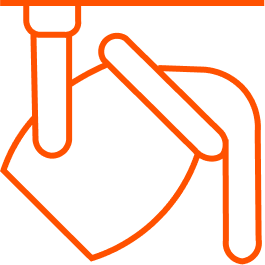
Molten iron from the blast furnace moves into steelmaking and refining operations.

The electric arc furnace refines the charge and adjusts chemistry to prepare liquid steel.

Secondary refining in the ladle furnace fine-tunes temperature, alloying, and cleanliness.

Liquid steel is continuously cast into slabs for rolling.

Cast slabs are rolled into hot rolled coils in the hot strip mill.

Hot rolled coil is the main upstream product before splitting into different downstream lines.
Slit Coil
Hot rolled coil can be slit into narrower widths to meet order requirements.
CRM Complex
Selected hot rolled coils move to the CRM complex for cold rolling and further processing.
Hot rolled coil can also move to cut-to-length processing for sheet production.

Slit coils are packed as finished hot rolled products for customer dispatch.

The CRM line reduces thickness and improves surface quality for cold rolled products.

CTL processing converts hot rolled coil into finished hot rolled sheets.

Cold rolled coils are produced after thickness reduction in the CRM line.

Bell annealing relieves stress and restores ductility in cold rolled coils.
Annealed material can be finished and supplied as CRCA grade products.
Another product route sends cold rolled coil for zinc coating in the galvanized line.
Hot rolled coil can remain available as a saleable finished product within the wider product mix.
Cold rolled coil is also offered as a finished product for industrial and fabrication use.

Galvanized processing produces GP coil with a corrosion-resistant zinc coating.

Galvanized coil can be cut into sheets for fabrication and roofing applications.
Galvanized sheet moves to the corrugation line for profiling and shaping.

Sheet
The final corrugated sheet is ready for roofing, cladding, and structural applications.
Hot metal (molten iron) is produced in the blast furnace and serves as the primary raw material for DI pipe manufacturing.
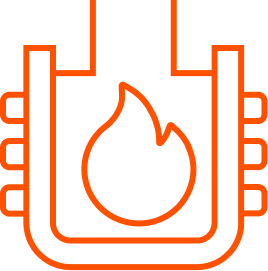
The hot metal is melted and refined in an induction furnace to achieve desired chemical composition and temperature.
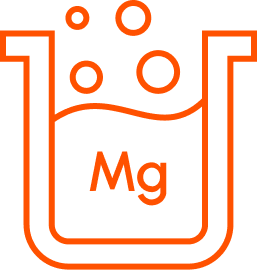
Magnesium is added to improve the metal's structure, giving the pipe its ductility and strength.
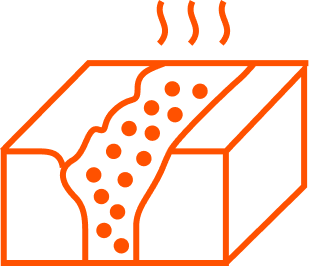
Molten iron is poured into a spinning mould where centrifugal force shapes it into a pipe with uniform wall thickness.
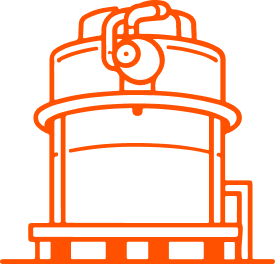
Pipes are heated and slowly cooled in a controlled furnace to relieve internal stresses and improve mechanical properties.
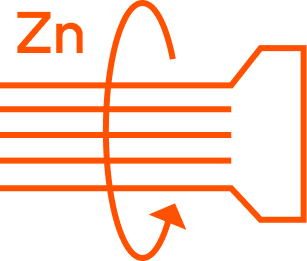
A layer of zinc is applied to the outer surface of the pipe to provide corrosion protection and extend service life.
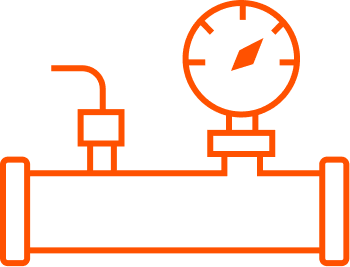
Each pipe is subjected to hydraulic pressure testing to ensure it meets the required pressure rating and is free of leaks.

The interior of the pipe is lined with cement mortar to protect against corrosion and ensure smooth water flow.
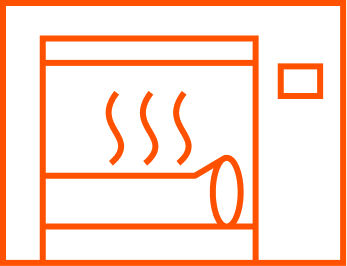
A bituminous coating is applied on the outside for additional corrosion resistance and protection against soil conditions.

Pipes are marked with relevant information such as class, size, batch number, and manufacturer details for traceability.
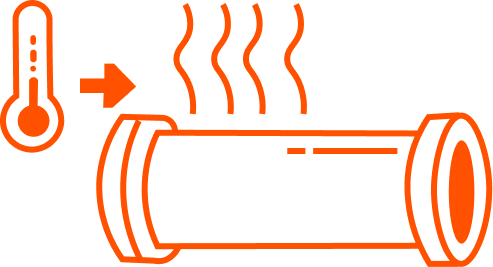
The pipe socket is precision-ground to ensure proper joint fit and alignment for leak-free connections.

A rubber gasket is fitted inside the socket to provide a flexible, watertight seal at the pipe joint.
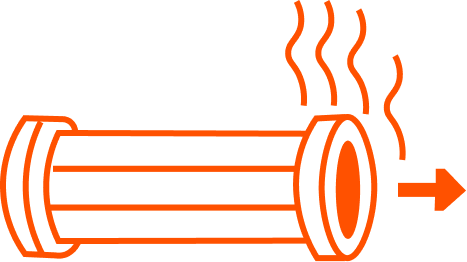
Finished pipes are carefully packed and bundled to prevent damage during storage and transportation.

Each pipe is weighed to verify it meets the specified standards and tolerances before dispatch.
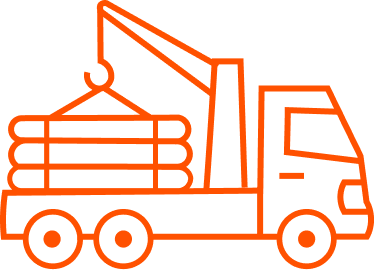
Finished pipes are loaded and dispatched to project sites, distribution centers, or customers.
Cooking coal is heated in a coke oven to remove volatile matter and produce strong coke for the blast furnace.
The coke oven converts metallurgical coal into coke, which acts as both fuel and a reducing agent in iron making.
Fluxes help remove impurities during iron making and improve slag formation inside the furnace.
Iron ore, coke, and fluxes are charged into the blast furnace to produce molten iron.
A portion of blast furnace output is cast as pig iron for downstream use and sale.
Iron ore fines supply the iron units that are reduced inside the blast furnace.
Molten iron from the blast furnace moves into steelmaking and refining operations.
The electric arc furnace refines the charge and adjusts chemistry to prepare liquid steel.
Secondary refining in the ladle furnace fine-tunes temperature, alloying, and cleanliness.
Liquid steel is continuously cast into slabs for rolling.
Cast slabs are rolled into hot rolled coils in the hot strip mill.
Hot rolled coil is the main upstream product before splitting into different downstream lines.
Slit Coil
Hot rolled coil can be slit into narrower widths to meet order requirements.
CRM Complex
Selected hot rolled coils move to the CRM complex for cold rolling and further processing.
Hot rolled coil can also move to cut-to-length processing for sheet production.
Slit coils are packed as finished hot rolled products for customer dispatch.
The CRM line reduces thickness and improves surface quality for cold rolled products.
CTL processing converts hot rolled coil into finished hot rolled sheets.
Cold rolled coils are produced after thickness reduction in the CRM line.
Bell annealing relieves stress and restores ductility in cold rolled coils.
Annealed material can be finished and supplied as CRCA grade products.
Another product route sends cold rolled coil for zinc coating in the galvanized line.
Hot rolled coil can remain available as a saleable finished product within the wider product mix.
Cold rolled coil is also offered as a finished product for industrial and fabrication use.
Galvanized processing produces GP coil with a corrosion-resistant zinc coating.
Galvanized coil can be cut into sheets for fabrication and roofing applications.
Galvanized sheet moves to the corrugation line for profiling and shaping.
Sheet
The final corrugated sheet is ready for roofing, cladding, and structural applications.
Hot metal (molten iron) is produced in the blast furnace and serves as the primary raw material for DI pipe manufacturing.
The hot metal is melted and refined in an induction furnace to achieve desired chemical composition and temperature.
Magnesium is added to improve the metal's structure, giving the pipe its ductility and strength.
Molten iron is poured into a spinning mould where centrifugal force shapes it into a pipe with uniform wall thickness.
Pipes are heated and slowly cooled in a controlled furnace to relieve internal stresses and improve mechanical properties.
A layer of zinc is applied to the outer surface of the pipe to provide corrosion protection and extend service life.
Each pipe is subjected to hydraulic pressure testing to ensure it meets the required pressure rating and is free of leaks.
The interior of the pipe is lined with cement mortar to protect against corrosion and ensure smooth water flow.
A bituminous coating is applied on the outside for additional corrosion resistance and protection against soil conditions.
Pipes are marked with relevant information such as class, size, batch number, and manufacturer details for traceability.
The pipe socket is precision-ground to ensure proper joint fit and alignment for leak-free connections.
A rubber gasket is fitted inside the socket to provide a flexible, watertight seal at the pipe joint.
Finished pipes are carefully packed and bundled to prevent damage during storage and transportation.
Each pipe is weighed to verify it meets the specified standards and tolerances before dispatch.
Finished pipes are loaded and dispatched to project sites, distribution centers, or customers.